 Loyalty Program


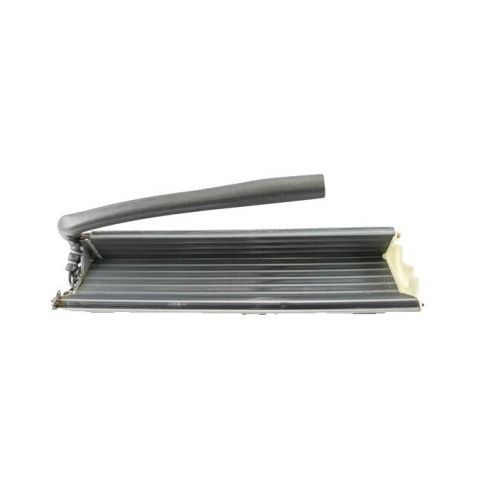
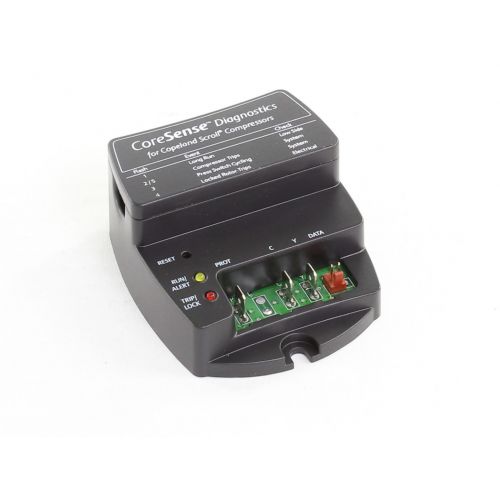
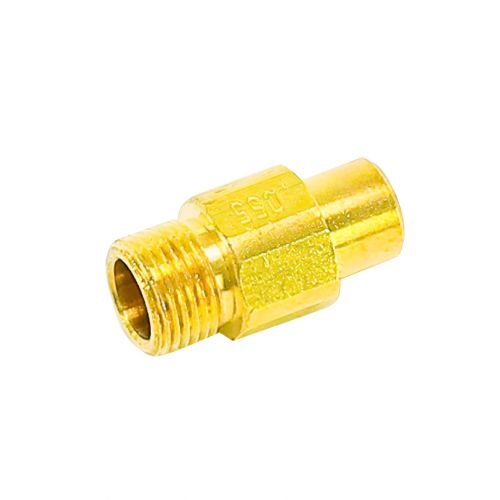
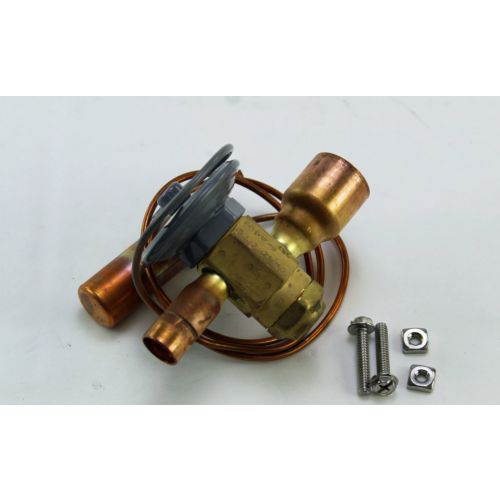
Heat pump components play a vital role in HVAC systems, delivering efficient heating and cooling solutions. These components, including compressors, evaporator coils, expansion valves, burners, flame sensors, and thermocouples, regulate refrigerant flow and ensure optimal temperature control, enhancing system performance and energy efficiency.
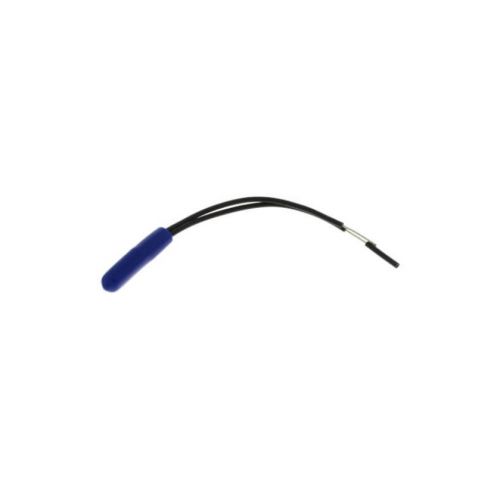 -23%IO HVAC Controls CL-55 Compressor Lock Out Thermostat 55°FSpecial Price $17.08 Regular Price $22.20
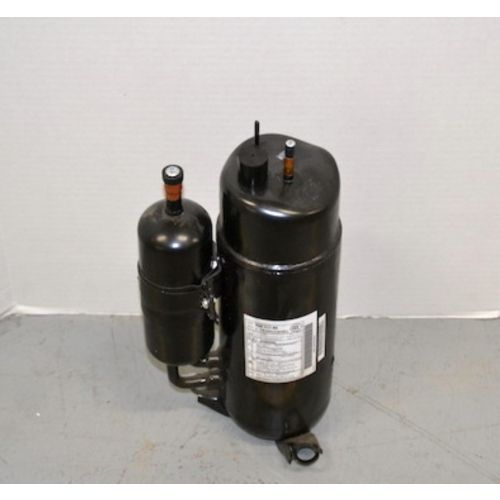 -10%Sanyo HVAC CV6231843171 Compressor AssemblySpecial Price $1,605.91 Regular Price $1,782.56Out of stock
 -23%
-23%- -13%
- -26%
- -10%Nordyne 903426 Natural Gas Burner Assembly W/LP Conversion KitSpecial Price $1,438.70 Regular Price $1,596.95Out of stock
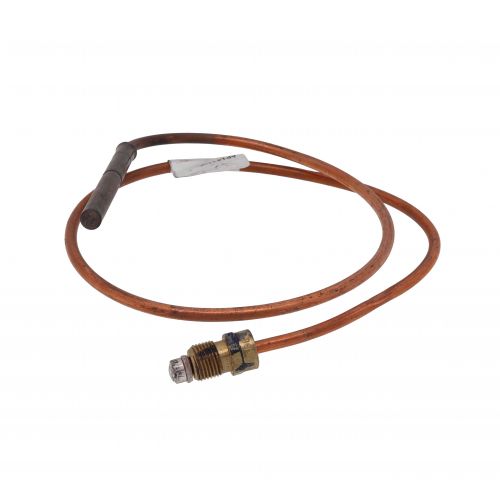

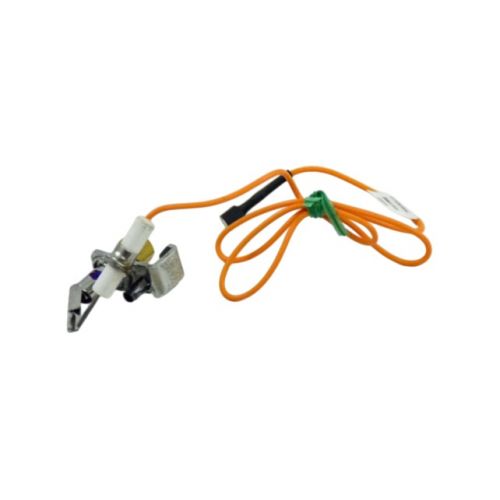
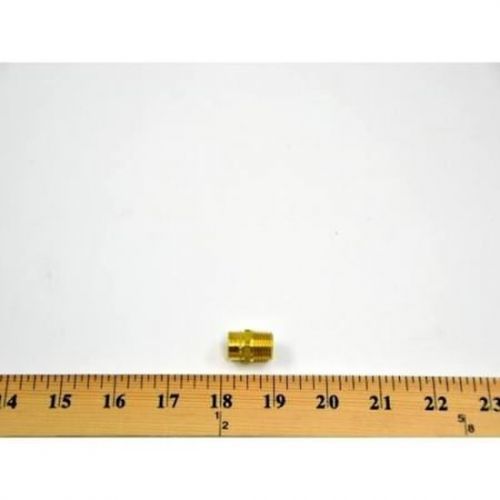
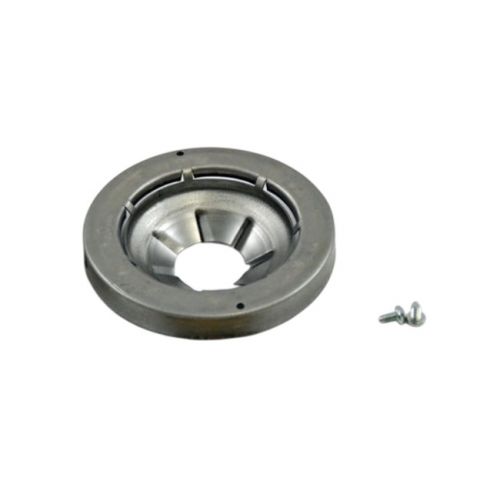
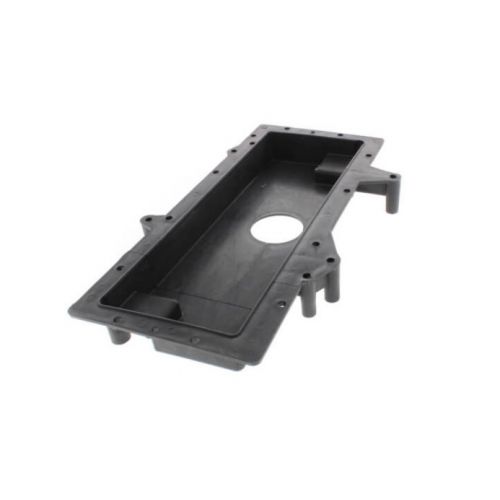
HVAC Heat Pump Replacement Parts
Heat pumps are vital for HVAC systems, effectively moving heat between indoor and outdoor spaces. This process provides both heating and cooling, ensuring consistent temperature control, enhancing comfort, and improving energy efficiency.
Failure of heat pump parts can lead to poor heating or cooling, system breakdowns, or inefficiency. The compressor circulates refrigerant for heat transfer, the expansion valve regulates refrigerant flow, and the reversing valve adjusts the refrigerant direction to switch between heating and cooling. Additional heat pump components, such as the defrost control, prevent ice buildup, the evaporator coil absorbs heat, the condenser coil releases heat, and the air handler distributes air for temperature control.
Dryer flame sensors operate at 24V to detect the presence of a flame. Dual compressor defrost controls work at 120V, managing defrost cycles. Scroll compressors operate at 208-240V, offering reliable and energy-efficient refrigeration.
At PartsHnC, we offer high-quality HVAC and refrigeration parts, including solenoid valves, heaters, refrigeration coils, compressors, expansion valves, and pressure switches, from trusted brands like York, Carrier, Lennox, Tecumseh, Copeland, and Daikin-McQuay, all at competitive prices.
FAQs
Do heat pumps come in different forms?
Yes, heat pumps are available in several varieties, such as air-source (most common), ground-source (geothermal), and water-source. Each type utilizes a distinct approach to transfer heat, based on the surrounding environment.
How long do heat pumps last?
Heat pumps typically have a lifespan of 15 to 20 years with proper maintenance. Routine care, such as cleaning, inspections, and servicing, can extend their lifespan and ensure optimal efficiency.
What distinguishes a heat pump from an air conditioner?
The key difference is that a heat pump can both heat and cool, while an air conditioner is designed solely for cooling. In winter, a heat pump functions like a furnace, and in summer, it works like an air conditioner to cool your home.
Where can I buy high-quality parts for a heat pump for HVAC systems?
You can find genuine heat pump parts like compressors, coils, and fan motors at trusted suppliers like PartsHnC, offering top-quality parts for leading brands such as Trane, Mitsubishi, and Viessmann at competitive prices.
How often should I check the refrigerant levels in my heat pump?
Refrigerant levels should be checked during annual maintenance by a professional technician. Insufficient refrigerant levels can reduce your heat pump's efficiency and may cause system failure if left unaddressed.
Can a heat pump be used in a home without ductwork?
Yes, ductless heat pumps, or mini-split systems, are an excellent choice for homes that lack ductwork. They consist of an indoor unit and an outdoor unit and can be installed in individual rooms to heat and cool without the need for ducts.