Loyalty Program

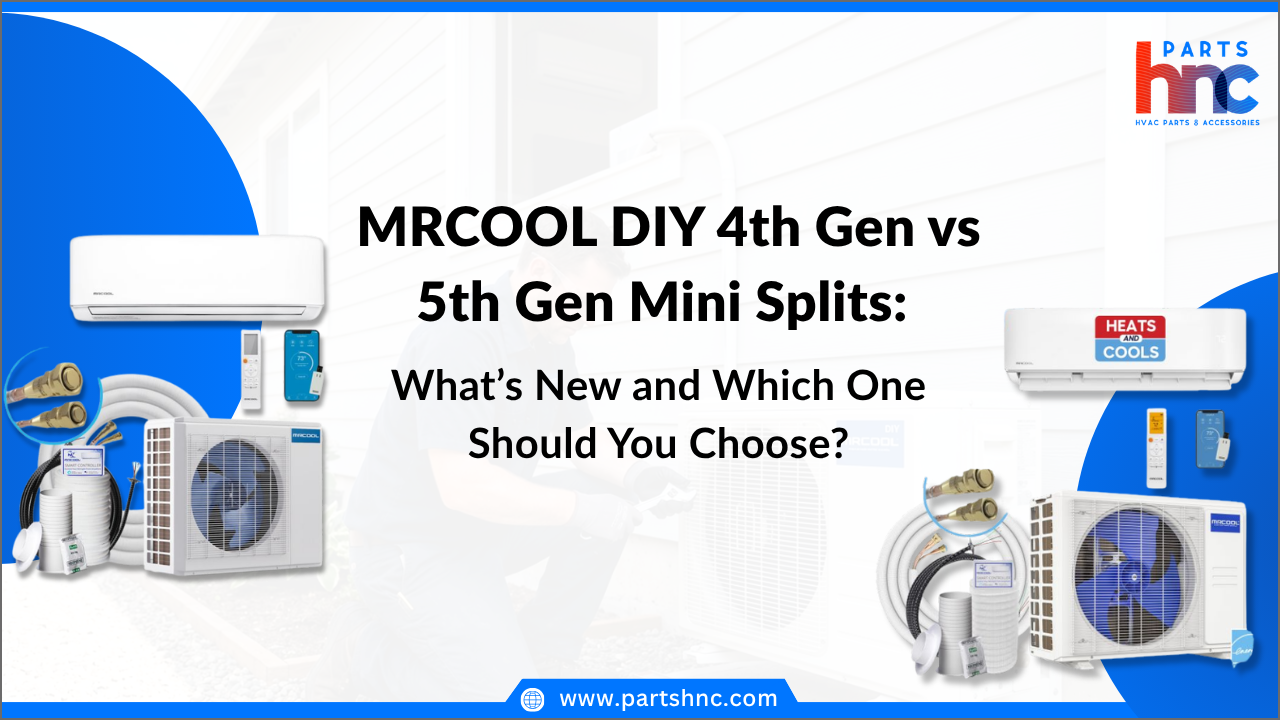
MRCOOL DIY mini split systems are ductless heat pumps designed to heat and cool homes without the need for professional installation. With pre-charged lines and a straightforward setup process, both the 4th Gen and 5th Gen models offer efficient, zone-based climate control, surpassing the capabilities of traditional HVAC systems.
As a home comfort solution, MRCOOL DIY mini split systems ensure stable climate control performance with the 4th Gen, while the 5th Gen adds higher efficiency, lower noise levels, and improved smart controls. These updates improve temperature stability, HVAC energy savings, and overall system performance for everyday residential use.
Table of Contents:Understanding the MRCOOL DIY Mini Split SeriesMRCOOL DIY 4th Gen Features and PerformanceWhat’s New in the MRCOOL DIY 5th Gen Mini Split?MRCOOL DIY 4th Gen vs 5th Gen: Side-by-Side Comparison
Understanding the MRCOOL DIY Mini Split Series
The MRCOOL DIY series is a line of ductless heat pump systems designed to...
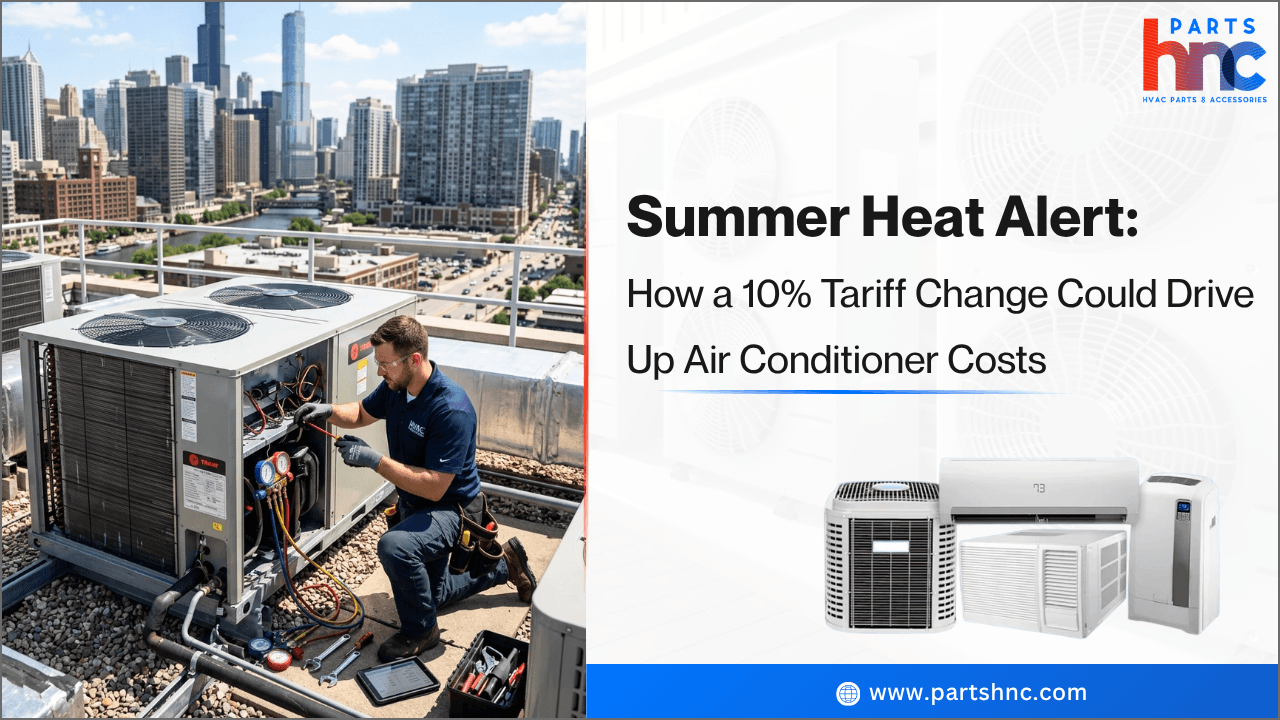 As summer temperatures rise across the United States, air conditioners play a critical role in keeping homes comfortable and safe. However, proposed tariff changes could increase the cost of cooling equipment at a time when demand is already high. Industry organizations have expressed concerns about the potential impact on both contractors and consumers. The Air Conditioning Contractors of America (ACCA) noted that the change could significantly increase equipment costs, while HVAC distributor association HARDI indicated that some imported HVAC equipment could face tariff-related costs approaching an estimated 25% of a unit's value. Because many air conditioners rely on globally sourced components, higher import costs could eventually contribute to higher prices for homeowners. Table of Contents:Why Air Conditioners Are Especially Vulnerable to Tariff ChangesUnderstanding What Tariffs Mean for Air Conditioner BuyersHow Tariffs Could Impact Homeowners During Peak Summer DemandWhat Homeowners...Read morePosted: June 01, 2026
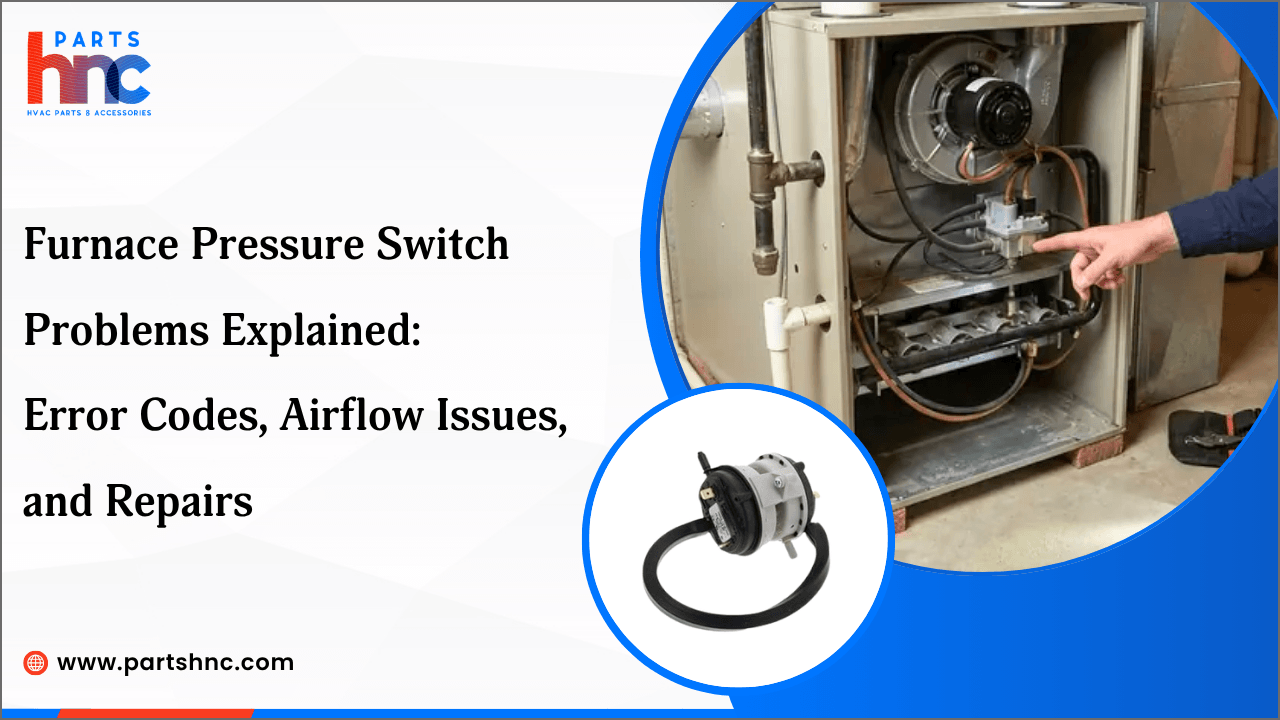 A furnace pressure switch is a small but critical safety component that ensures your heating system has proper airflow before ignition. When it malfunctions, it can trigger error codes, prevent the furnace from starting, or cause frequent shutdowns, leaving homeowners frustrated and uncomfortable during colder months. Understanding the causes behind pressure switch problems, from blocked vent pipes and airflow restrictions to faulty wiring and switch failures, can help you diagnose issues quickly. This guide explains common furnace pressure switch error codes, airflow-related problems, and repair solutions to keep your heating system running safely and efficiently. Table of Contents:What Does a Furnace Pressure Switch Do?Furnace Pressure Switch Error Codes Problems and What They MeanCommon Causes of Furnace Pressure Switch Airflow IssuesStep-By-Step Process To Fix Furnace Pressure Switch Airflow And Error Code Issues What Does a Furnace Pressure Switch Do? A furnace pressure switch is a...Read morePosted: May 25, 2026
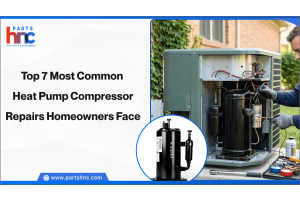
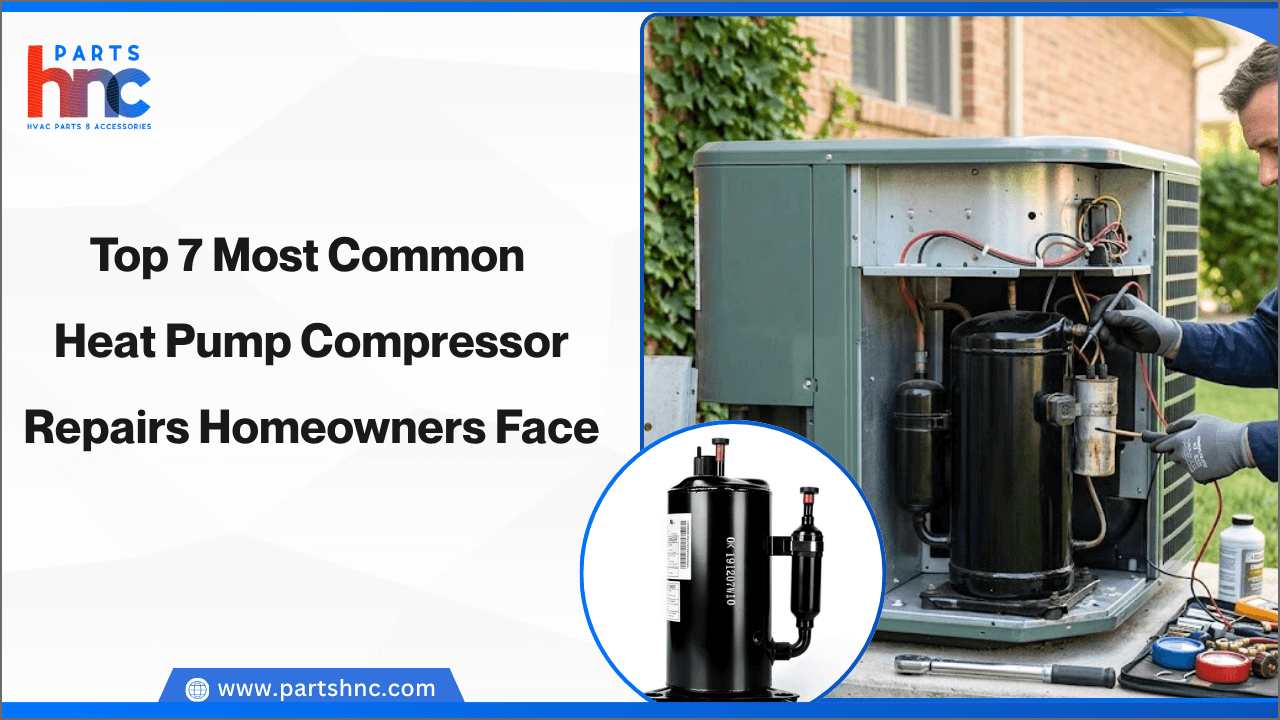 The heat pump compressor plays a crucial role in keeping your home comfortable by circulating refrigerant and maintaining steady heating and cooling performance. When this component is under stress, even small issues can gradually reduce efficiency and comfort levels, often going unnoticed until temperatures become inconsistent or energy bills rise unexpectedly. Understanding the most common heat pump compressor repairs prevents efficiency loss and helps avoid costly breakdowns. Approximately 80% of compressor failures are caused by electrical faults, refrigerant issues, or overheating due to airflow restrictions. These problems develop slowly but can seriously affect performance, so early detection ensures timely action and reliable year-round operation. Table of Contents:What Does a Heat Pump Compressor Do in an HVAC System?7 Common Heat Pump Compressor Repairs Homeowners FaceWhat Causes Heat Pump Compressors to Fail Prematurely?How to Prevent Expensive Heat Pump Compressor Repairs What...Read morePosted: May 25, 2026
 In 2026, indoor comfort is no longer just about heating or cooling spaces but about intelligence, sustainability, energy optimization, and human-centered design. ZEB Technologies is at the center of this shift, reshaping how modern HVAC systems are designed, deployed, and optimized across buildings. ZEB Technologies drives this transformation as energy costs rise and climate regulations tighten. HVAC systems, which typically account for approximately 35%–65% of total building energy consumption, are being reinvented through smart engineering, IoT-based controls, and AI-driven optimization. These technologies significantly improve efficiency, reduce waste, and enhance overall building performance. Table of Contents:Understanding ZEB Technologies in Modern HVAC SystemsHow ZEB Technologies is Innovating Modern HVAC System DesignKey Factors and Benefits of ZEB Technologies HVAC Systems How ZEB Technologies Reduces Energy Consumption in Commercial Buildings Understanding ZEB Technologies in...Read morePosted: May 18, 2026
 MRCOOL DIY systems are quickly changing how homeowners approach heating and cooling, offering a simpler and more affordable alternative to traditional HVAC installations. With easy setup, no professional labor costs, and strong energy efficiency, they promise comfort without the usual installation headaches. But when compared to traditional HVAC systems, which are known for dependable performance and whole-home coverage, the real question is which option delivers greater long-term savings. From upfront costs to energy bills and maintenance, this guide breaks down which system truly gives homeowners the better value. Table of Contents:What Is a MRCOOL DIY HVAC System?What Is a Traditional HVAC System?MRCOOL DIY vs Traditional HVAC Systems: Cost, Efficiency, and Performance ComparisonWhy Homeowners Are Choosing MRCOOL DIY Systems for Affordable Heating and Cooling What Is a MRCOOL DIY HVAC System? An MRCOOL DIY HVAC system is a ductless mini-split heating and cooling solution designed specifically...Read morePosted: May 18, 2026
 York water temperature sensors are essential components in air conditioning and HVAC systems, ensuring accurate monitoring and control of water temperature for stable cooling performance. When these sensors begin to fail, they can cause issues such as uneven indoor cooling, system short cycling, or unexpected shutdowns that affect overall comfort and efficiency. Sensor-related faults account for approximately 18% of AC control issues, making early detection crucial for reducing repair time and minimizing unnecessary energy losses. Common causes include wiring damage, sensor aging, and mineral buildup that distorts readings. With proper diagnostic steps and timely AC repair solutions, system function can be quickly restored and long-term equipment reliability maintained. Table of Contents:What Does a York Water Temperature Sensor Do in HVAC Systems?Common York Water Temperature Sensor ProblemsMain Causes Behind York Water Temperature Sensor FailureHVAC Repair Solutions for Faulty York Water...Read morePosted: May 11, 2026
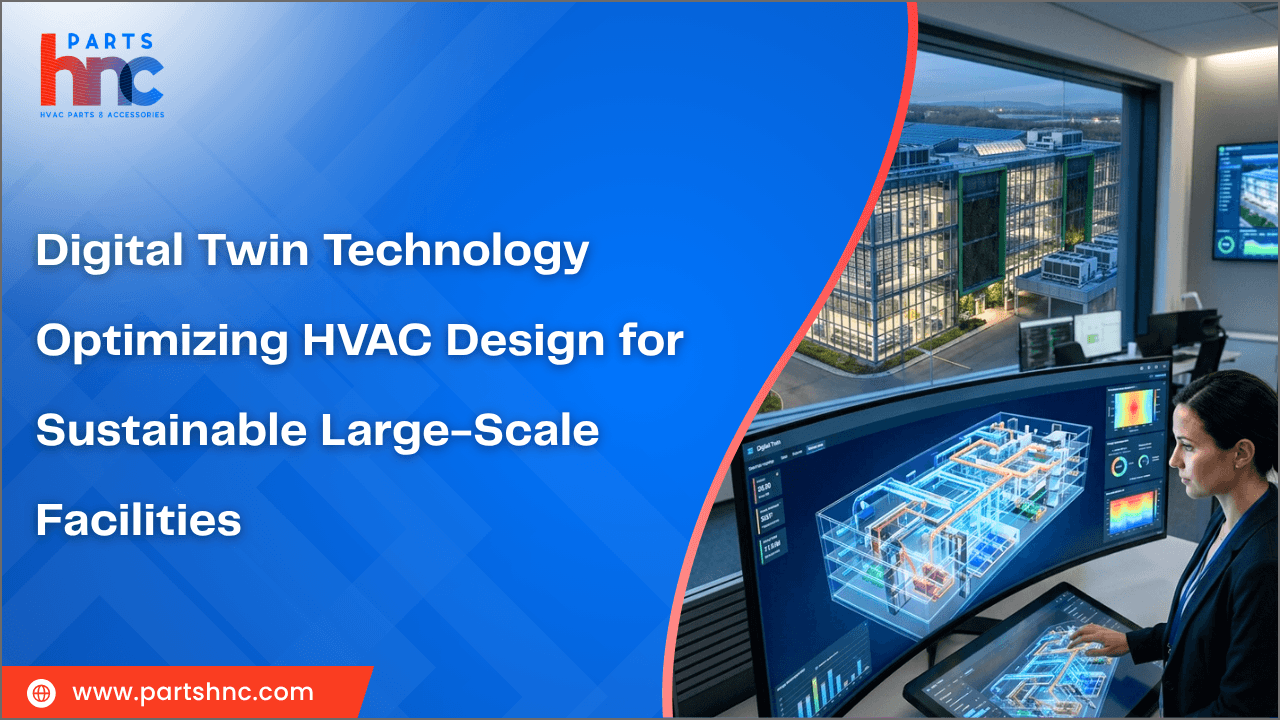 Digital twin technology is a virtual representation of a physical system that continuously updates using real-time data. It mirrors real-world assets and processes, allowing engineers to monitor, analyze, and optimize performance in a digital environment before applying changes in reality. It is transforming HVAC design for large-scale facilities by enabling simulation and optimization before construction. Studies on smart building optimization show that such data-driven systems can reduce energy consumption by approximately 15% to 30%, depending on design and implementation, improving efficiency, reducing energy waste, and supporting sustainability in airports, hospitals, and industrial campuses through predictive insights and data-driven design decisions. Table of Contents:Understanding How Digital Twins Work in HVAC SystemsTop Benefits of Using Digital Twin Technology in HVAC DesignApplications of Digital Twin Technology in Large-Scale FacilitiesChallenges in Implementing Digital Twin...Read morePosted: May 11, 2026
 Furnace gas valves are a key part of any heating system, yet they usually go unnoticed until problems start. They control gas flow to the burners, helping ensure safe and efficient heating. When issues occur, the furnace may struggle to ignite, produce uneven heat, or shut down in cold weather. Gas valve–related issues make up 5% to 10% of furnace breakdowns, a smaller but important share of failures. These problems usually develop gradually due to wear, dirt buildup, or electrical faults. This guide covers 7 common furnace gas valve issues and their fixes. Understanding them early can help prevent costly repairs and improve heating reliability during colder seasons for homeowners. Table of Contents:How a Furnace Gas Valve Works Inside Modern HVAC Heating SystemsTop Warning Signs of a Failing Furnace Gas Valve Every Homeowner Should KnowSafety Precautions to Take Before Diagnosing Furnace Gas Valve Issues 7 Most Common Furnace Gas Valve Issues and Fixes How a Furnace Gas Valve Works Inside...Read morePosted: May 04, 2026
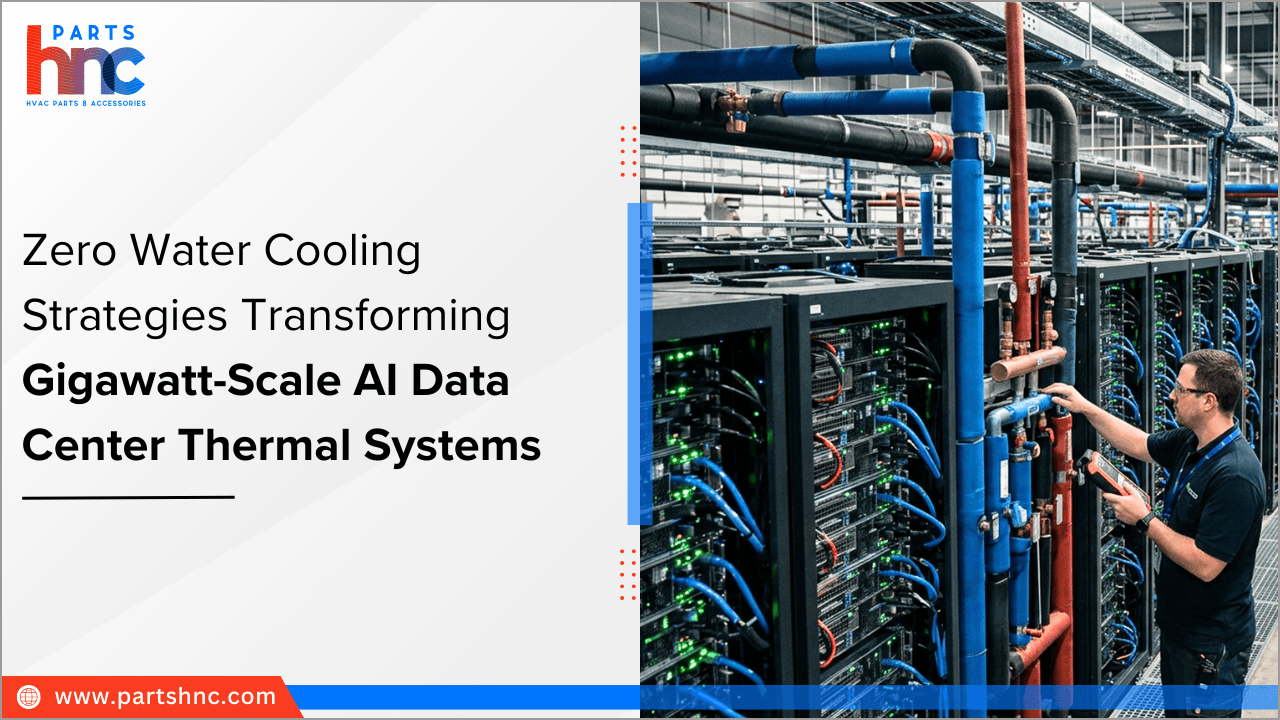 Gigawatt-scale AI data centers are pushing conventional cooling systems to their limits, forcing operators to rethink how heat is managed at extreme densities. As training clusters grow larger and power consumption surges, traditional water-intensive cooling methods are becoming costly, complex, and environmentally constrained. This shift is accelerating interest in zero water cooling strategies that promise high efficiency without relying on massive water infrastructure. From advanced liquid-to-chip systems to fully sealed immersion cooling and next-generation heat reuse designs, these innovations are reshaping thermal management at scale. Together, they are transforming how AI infrastructure stays stable under continuous, high-load computing demands while dramatically reducing environmental impact. Table of Contents:Why Zero Water Cooling Matters in AI Data CentersWhy Gigawatt-Scale AI Data Centers Need New Cooling ModelsCore Zero Water Cooling Strategies Transforming Gigawatt-Scale AI...Read morePosted: May 04, 2026
Recent Posts